 Josh Weiner
Michael Nagle/Bloomberg
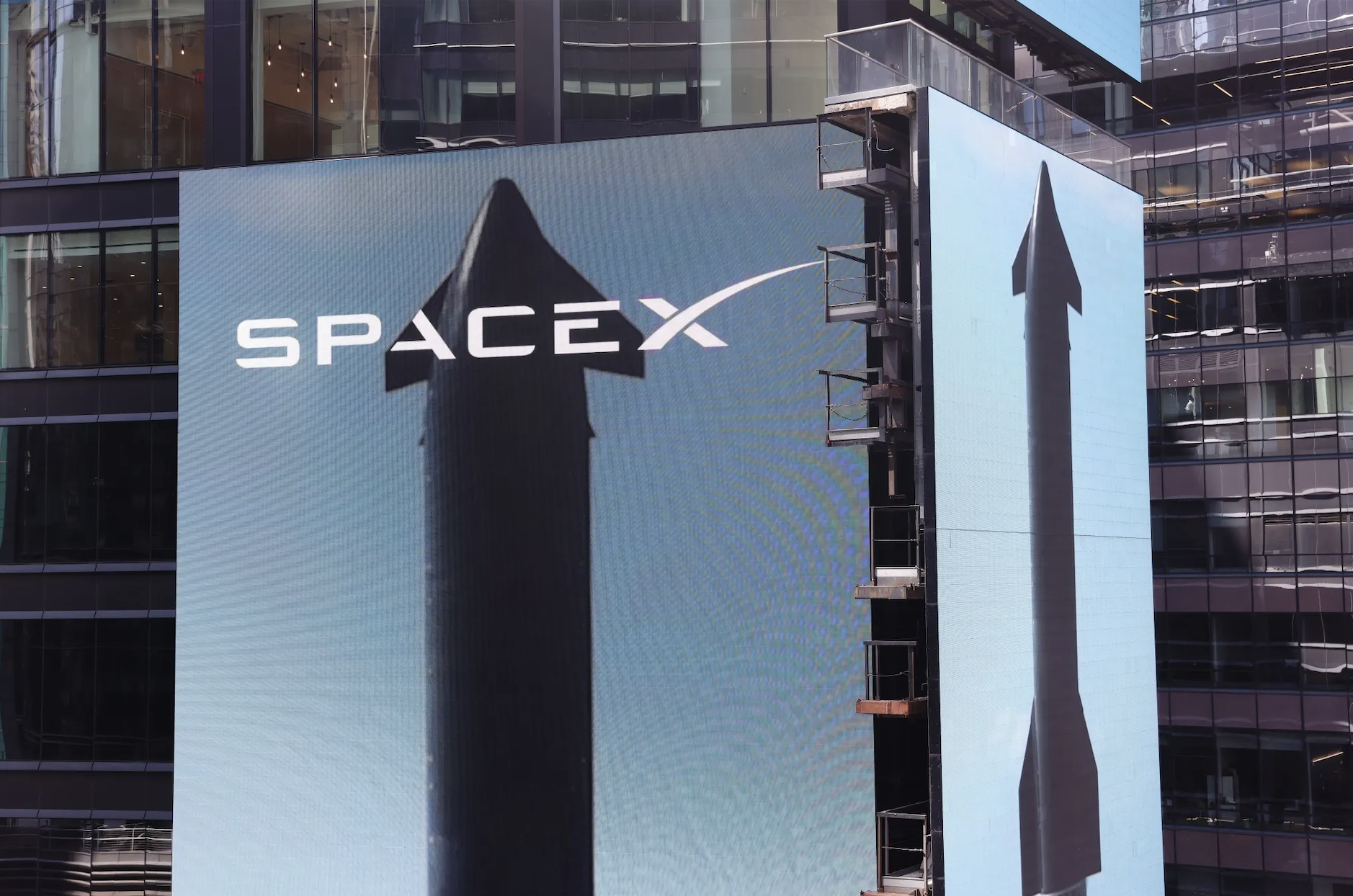
Almost a decade ago, Scott Wilson, chief investment officer at Washington University in St. Louis, put about $50 million of the school’s money into Elon Musk’s rocket company. That bet has now added more than $2 billion in value to the university’s endowment, after SpaceX sold stock to the public for the first time this year.
The university said Friday that its investment pool returned 37.3% in the year ended in June, a performance driven largely by the SpaceX stake. That single investment has grown into more than 10% of Washington University’s $17 billion in total assets, a more than 30-fold increase on the original outlay.
“We have maintained a strategy of finding promising partners and deploying additional capital when attractive opportunities arise,” Wilson said, describing the approach that led the school to keep building on its early SpaceX position rather than cashing out. He noted that roughly 40% of the entire endowment is managed through co-investments alongside private equity and venture capital firms, the same structure that let Washington University get in on SpaceX early and stay in as the company’s valuation climbed.
Washington University isn’t the only school cashing in on the moment. The University of North Carolina’s endowment reported a similar windfall, posting a 37.8% return also fueled by an early SpaceX stake, underscoring how a handful of university endowments that got into the company years before its IPO are now seeing outsized paper gains materialize into a public valuation.
For endowments that made these bets early, the SpaceX windfall illustrates both the upside and the concentration risk of venture-style investing inside a university portfolio: a single, decade-old position in one company is now responsible for a meaningful share of Washington University’s entire investment pool, a level of concentration that would be unusual for a more traditionally diversified endowment, but one that’s paying off spectacularly for now.




